
Get 20% Off On First Visit
Discover Our Latest Specials
Serving Arlington & Colleyville
GIVE $50. GET $50. GLOW TOGETHER.
Top

Chemical Peel Recovery Time: What to Expect After Treatment

How Long Does It Take to Recover From a Chemical Peel?

Thinking about getting a chemical peel but worried about how your skin will look afterward? You’re not alone. Many people love the idea of smoother, brighter skin but aren’t sure what to expect during the days following treatment.

Will your face turn red? How long will the peeling last? Can you go to work the next morning?

The good news is that recovery doesn’t look the same for everyone. A gentle peel may leave your skin slightly pink for a day or two, while a stronger treatment can involve more noticeable peeling and a longer healing period.

Understanding chemical peel recovery time before your appointment can help you plan your schedule, care for your skin, and avoid unnecessary irritation.

At Glo & Glam MedSpa, serving Arlington and Colleyville, TX, chemical peel treatments are selected according to individual skin concerns and goals.

Here’s what you should know about healing, aftercare, and getting back to your regular routine.

How Long Is Chemical Peel Downtime?

The recovery period depends mainly on how deeply the treatment exfoliates your skin.

Chemical peels use carefully selected solutions to remove damaged outer skin layers and encourage skin renewal. Some affect only the surface, while stronger peels reach deeper layers.

Here’s a general recovery timeline:

Chemical Peel Type Typical Healing Time What to Expect
Light or superficial peel 1–7 days Mild redness, dryness, or light flaking
Medium-depth peel 7–14 days Redness, swelling, and more visible peeling
Deep peel 14–21 days or longer Significant healing, protective dressings, and medical follow-up

These are general timelines, not guarantees. Redness and skin sensitivity can continue after the initial healing period, especially with deeper treatments.

Glo & Glam offers several chemical peel treatments, including VI Peel options for concerns such as uneven tone, acne-prone skin, and visible signs of aging.

Your provider can explain the expected downtime for the specific formula recommended during your consultation.

Chemical Peel Healing Process: What Happens Day by Day?

Knowing what to expect after a chemical peel can make recovery feel less intimidating.

The following timeline describes a common experience after a superficial or selected medium-depth peel. Your actual healing process may differ.

Day 1: Redness and Tightness

Immediately after treatment, your skin may feel warm, tight, or mildly sensitive.

Some people notice pinkness similar to a light sunburn. Others experience very little visible irritation.

Your skin’s protective barrier is temporarily more vulnerable, so this isn’t the time to experiment with new skincare products.

Use only the cleanser, moisturizer, and other products recommended by your provider.

Days 2–3: Dryness and Early Flaking

During the next couple of days, you may notice that your skin feels drier or tighter than usual.

Small flakes can begin appearing around the mouth, nose, or chin.

This is a normal part of the exfoliation process for many peels, although some superficial treatments produce little or no visible peeling.

Resist the temptation to scrub away dry patches. The skin underneath is still healing.

Days 4–7: More Noticeable Peeling

For some treatments, this is when flaking becomes more visible.

You might notice peeling around your cheeks, jawline, or forehead. Your skin may also look temporarily uneven as older surface cells shed.

Continue moisturizing as directed, and avoid pulling at loose skin.

If you’ve received a stronger peel, healing may still be in its early stages at this point.

Days 7–14: Skin Begins Settling

After a superficial peel, visible flaking has often resolved by this stage, and skin may appear smoother.

Medium-depth treatments can take the full one to two weeks to heal.

Even when peeling stops, your skin may remain sensitive. Avoid assuming it’s ready for exfoliating products simply because it looks better.

For deep peels, recovery extends beyond this period and requires close medical supervision.

How Long Does Chemical Peel Flaking Last?

One of the most common questions is whether peeling will continue for days or weeks.

With a light chemical peel, scaling may last around three to seven days. Medium-depth peels can involve peeling or crusting for seven to fourteen days.

However, not everyone experiences dramatic shedding.

Some people notice only fine flakes, while others see larger areas of peeling depending on the treatment.

More peeling doesn’t necessarily mean better results.

The purpose of a chemical peel is controlled skin resurfacing, not producing the greatest possible amount of visible flaking.

If you experience unusually severe pain, spreading redness, discharge, or unexpected blistering, contact your treating provider promptly.

Chemical Peel Aftercare: How to Help Your Skin Heal

Good chemical peel aftercare is essential for comfortable recovery and reducing the risk of complications.

Cleanse Gently

Use a mild cleanser recommended by your provider.

Avoid cleansing brushes, rough washcloths, facial scrubs, or aggressive rubbing.

Some peel formulas have specific instructions about when you can first wash your face, so always follow your treatment-specific guidance.

Moisturize Regularly

Your skin may feel unusually dry as it heals.

Applying an approved moisturizer helps support the skin barrier and reduce uncomfortable tightness.

For deeper peels, your provider may prescribe an ointment or a more specialized wound-care routine.

Protect Your Skin From Sun Exposure

Freshly treated skin is particularly vulnerable to UV damage and unwanted pigmentation changes.

Avoid direct sun exposure during healing. Once your provider confirms it’s appropriate, use broad-spectrum SPF 30 or higher, along with protective clothing and shade.

Medium and deep peels may require stricter sun avoidance.

Pause Strong Skincare Ingredients

Retinoids, exfoliating acids, benzoyl peroxide, and other potentially irritating products may need to be temporarily discontinued.

Don’t restart them until your provider confirms that your skin has healed sufficiently.

Never Pick or Pull Peeling Skin

It can be tempting to remove a hanging piece of skin, especially before going out.

However, peeling skin away prematurely may cause irritation, infection, discoloration, or scarring.

Let the flakes shed naturally.

What Should You Avoid After a Chemical Peel?

During the early healing period, common post-chemical peel care precautions include avoiding intense exercise that causes excessive sweating, hot saunas, tanning beds, waxing, and additional exfoliating treatments.

You may also need to postpone makeup, depending on the strength of the peel and the condition of your skin.

For superficial peels, makeup may be permitted immediately or the next day. Medium and deep peels require longer restrictions.

Before scheduling another facial, microneedling session, or other medspa treatment, ask how much recovery time is recommended between procedures.

Following the right sequence can help avoid unnecessary skin irritation.

When Can You Return to Work or Social Activities?

Your recovery plan should account for more than just physical healing.

With a light peel, many people return to everyday activities quickly, although mild redness or flaking may still be noticeable.

A medium-depth peel can require approximately one to two weeks of healing, so you may prefer to schedule time away from work or social events.

Deep peels involve more substantial downtime and medical follow-up.

If you have a wedding, vacation, professional event, or family photos coming up, discuss the timing with your provider before booking.

It’s generally better to give your skin extra recovery time than schedule a resurfacing treatment immediately before an important occasion.

Is a Chemical Peel Better Than Laser Skin Resurfacing?

Chemical peels aren’t the only option for improving skin texture or discoloration.

Depending on your concerns, you may also consider laser and light-based skin treatments.

Chemical peels use exfoliating solutions, while laser treatments use controlled light energy to target specific skin concerns.

Both can involve downtime, but recovery varies significantly according to the treatment’s intensity.

Someone with mild dullness may benefit from a relatively gentle peel, while a person with more pronounced texture concerns might need a different approach.

Your provider should consider your skin tone, sensitivity, pigmentation history, and expectations before recommending either treatment.

Planning Chemical Peel Recovery in Arlington, TX

If you’re researching chemical peel recovery in Arlington, TX, your schedule and local lifestyle are worth considering.

North Texas sunshine can make proper post-treatment sun protection particularly important, especially for people who spend time outdoors.

At Glo & Glam’s Arlington and Colleyville locations, you can discuss your skincare goals and expected downtime before choosing a treatment.

If you’re planning a series of appointments, the available medspa memberships may be worth reviewing. Glo & Glam currently includes chemical peel services within certain membership options.

You can also explore financing options when considering your overall treatment budget. Eligibility and payment terms depend on the financing provider.

For more skincare and aesthetic treatment information, visit the Glo & Glam blog.

Frequently Asked Questions

1. How long does it take to recover from a chemical peel?

Light chemical peels generally heal within one to seven days. Medium peels often require seven to fourteen days, while deep peels may take two to three weeks or longer. Your exact recovery depends on the solution, treatment depth, and skin response.

2. Can I wash my face after a chemical peel?

Usually, yes, but the timing depends on the formula used. Some treatments require waiting several hours before washing. Follow your provider’s instructions and use only approved gentle cleansing products.

3. What day does your skin start peeling?

Visible flaking often begins around two to three days after treatment, but timing varies. Some superficial peels cause little or no visible peeling.

4. Can I wear makeup during chemical peel recovery?

After a light peel, makeup may be permitted immediately or the following day. Stronger peels require a longer healing period before makeup is appropriate. Always confirm with your provider.

5. What happens if I pick peeling skin?

Pulling at peeling skin can interrupt healing and increase the risk of irritation, infection, scarring, and pigmentation changes. Allow the skin to shed naturally.

6. How do I know if my chemical peel is healing properly?

Mild redness, tightness, dryness, and flaking can be expected. Worsening pain, increasing swelling, pus, unusual discoloration, or persistent burning may indicate a complication and should be assessed promptly.

7. When can I get another chemical peel?

The timing depends on the type of peel and how completely your skin has healed. Superficial peels may be repeated every few weeks when recommended, while stronger treatments require longer intervals.

Give Your Skin Time to Heal and Glow

Chemical peel results don’t happen overnight, and that’s perfectly normal.

Whether your skin needs a few days of gentle care or a longer recovery period, understanding the healing process can help you feel prepared.

The most important steps are simple: follow your provider’s aftercare instructions, protect your skin from the sun, avoid picking at flakes, and allow adequate time for healing.

At Glo & Glam MedSpa in Arlington and Colleyville, TX, you can explore chemical peel options tailored to your concerns and discuss what recovery may look like before treatment.

Schedule a consultation with Glo & Glam to find a treatment that fits your skin goals and your schedule.
Botox vs. Dysport: Which Wrinkle Relaxer Fits Your Goals?

How Are Botox and Dysport Different?

Fine lines have a way of sneaking up on us. One day, your forehead looks smooth, and the next, you notice lines that seem to stick around even when your face is relaxed. If you’ve been considering wrinkle-relaxing injections, you’ve probably come across two popular names: Botox and Dysport.

Both treatments can soften expression lines and help you look refreshed without surgery. But when comparing Botox vs Dysport, it’s natural to wonder whether one works faster, lasts longer, or delivers better results.

The answer isn’t as simple as picking the more popular brand. Your facial muscles, skin concerns, treatment goals, and injector’s technique all play a role.

At Glo & Glam MedSpa, serving Arlington and Colleyville, TX, understanding these differences is the first step toward choosing a treatment that feels right for you.

What Are Botox and Dysport?

Botox and Dysport are injectable neuromodulators, also called neurotoxins. Both use purified forms of botulinum toxin type A to temporarily reduce muscle activity responsible for certain facial wrinkles.

Every time you smile, squint, frown, or raise your eyebrows, your facial muscles move the skin above them. Over time, these repeated movements can create lines that become more noticeable.

Wrinkle relaxers work by temporarily blocking nerve signals to targeted muscles. As the muscles relax, the overlying skin appears smoother.

Botox Cosmetic (onabotulinumtoxinA) is FDA-approved for temporarily improving moderate to severe frown lines, crow’s feet, forehead lines, and certain neck bands in adults.

Dysport (abobotulinumtoxinA) is FDA-approved for temporarily improving moderate to severe frown lines between the eyebrows in adults younger than 65.

Although both products work through a similar mechanism, their formulations, dosing units, and approved cosmetic uses differ.

Botox vs Dysport: What Are the Main Differences?

Understanding this neurotoxin treatment comparison can make choosing between the two easier.

How Quickly Do Results Appear?

One reason people consider Dysport is its relatively quick onset.

Some Dysport patients notice improvement within 24 hours, and more than half of participants in certain clinical studies noticed changes within two to three days.

Botox results generally begin appearing within several days, with the full effect developing over approximately two weeks.

However, individual responses vary. Neither treatment should be expected to produce an immediate final result.

If you’re preparing for a wedding, family gathering, or another important event, schedule your consultation well in advance rather than relying on a specific onset time.

Which Lasts Longer, Botox or Dysport?

Both treatments usually provide temporary results lasting around three to four months, although some people experience shorter or longer effects.

Duration depends on several factors, including:

  • Strength and activity of facial muscles
  • Treatment area and appropriate dosage
  • Individual response to the product
  • Previous treatment history
  • Injector technique

There isn’t reliable evidence that one consistently lasts longer for every patient.

When deciding between Botox or Dysport, consider how your skin responds rather than assuming the more expensive or faster-acting option will last longer.

Botox vs Dysport Results: Which Looks More Natural?

A common concern about wrinkle relaxers is looking frozen or losing natural facial expressions.

The good news is that both products can create subtle, natural-looking improvements when administered appropriately.

Successful treatment isn’t about eliminating every bit of movement. It’s about relaxing the muscles responsible for unwanted lines while maintaining facial balance.

For example, someone with strong frown lines may want a noticeable softening between the eyebrows. Another person may prefer a lighter treatment that preserves more movement.

Your injector should evaluate your facial anatomy and discuss your preferred outcome before selecting a product or dose.

If you’re also concerned about volume loss around your cheeks or mouth, remember that wrinkle relaxers and fillers serve different purposes. Our Botox vs. dermal fillers treatment guide explains when each option may be appropriate.

Dysport vs Botox for Forehead Wrinkles

Forehead lines are among the most common reasons people explore injectable wrinkle treatments.

These horizontal lines develop as the forehead muscles repeatedly lift the eyebrows.

Botox Cosmetic has an FDA-approved indication for moderate to severe forehead lines in adults when treated together with the glabellar muscles between the eyebrows.

Dysport’s FDA-approved cosmetic indication covers glabellar frown lines. Using Dysport for horizontal forehead lines is considered an off-label application.

That doesn’t automatically mean it’s inappropriate, but it does mean your qualified medical provider should explain the evidence, risks, and treatment options.

Forehead injections require particular care. Relaxing the wrong muscles or using an unsuitable dose can create unwanted eyebrow heaviness or drooping.

Rather than choosing a product based only on its name, discuss your forehead movement, brow position, and desired appearance during your consultation.

Dysport vs Botox Cost: Which Is More Affordable?

Price is another important consideration, especially if you’re planning ongoing maintenance.

Botox and Dysport may be priced per unit or by treatment area. However, their units are not interchangeable.

Dysport often requires a higher number of labeled units than Botox for a comparable treatment. That doesn’t necessarily make it more expensive, because the price per unit may also differ.

Your total treatment cost depends on the product selected, recommended dosage, treatment area, and provider’s pricing structure.

For a meaningful comparison, request the estimated total treatment price, not just the advertised unit price.

At Glo & Glam, you can also explore available financing options and membership programs when planning your aesthetic care. Ask the team which benefits or payment arrangements apply to your chosen treatment.

What Should You Expect During Treatment?

A wrinkle-relaxer appointment typically begins with a consultation to discuss your concerns, medical history, and desired results.

Your injector may ask you to frown, smile, or raise your eyebrows to assess how your muscles move.

Once a treatment plan is established, a series of small injections is placed into the selected muscles using a fine needle.

The injection portion usually takes only a few minutes, although the complete appointment may take longer.

Temporary redness, tenderness, swelling, or bruising can occur. Most patients can return to many normal activities afterward, following their provider’s specific instructions.

Before treatment, tell your injector about medications, previous botulinum toxin treatments, allergies, pregnancy or breastfeeding, and any neuromuscular conditions.

Possible complications include headache, asymmetry, and eyelid or eyebrow drooping. Rarely, botulinum toxin effects can spread beyond the injection area and cause serious swallowing, speaking, or breathing difficulties requiring immediate medical attention.

Can Wrinkle Relaxers Be Combined With Other Skin Treatments?

Not every visible line develops from muscle movement alone.

Sun exposure, changes in collagen, skin texture, and natural aging can contribute to wrinkles that remain visible even when your face is still.

In these situations, Botox or Dysport may address only part of the concern.

Other medspa services, including skin rejuvenation procedures, may be considered as part of a personalized treatment plan.

For example, laser and light-based skin treatments can address concerns such as uneven texture, sun damage, and certain fine lines.

Your provider can explain whether combining treatments is appropriate and how to space appointments safely.

Is Botox or Dysport Better for Your Goals?

The best choice depends on what you’re hoping to improve.

If your main concern is forehead lines or crow’s feet, Botox has specific FDA-approved cosmetic indications for these areas.

If you’re focused on frown lines between your eyebrows, both Botox and Dysport are established options worth discussing.

You might also have a previous treatment experience that influences your preference.

At Glo & Glam’s Arlington and Colleyville locations, the goal is to build a treatment plan around your individual facial anatomy and aesthetic preferences rather than applying the same approach to everyone.

You can also explore additional skincare topics in the Glo & Glam blog before your appointment.

Frequently Asked Questions

1. Is Dysport better than Botox?

Not necessarily. Both can effectively soften frown lines. Dysport may begin working sooner for some patients, while Botox has FDA-approved cosmetic uses covering additional facial areas. Your provider can help determine which is more suitable.

2. Which lasts longer, Botox or Dysport?

Results commonly last approximately three to four months for both treatments. Individual factors, including muscle activity and dosage, influence how long improvements remain visible.

3. Does Dysport work faster than Botox?

Dysport can show early improvement within one to three days in some patients. Botox typically begins producing visible changes within several days. Full results should be evaluated after the recommended follow-up period.

4. Is Dysport cheaper than Botox?

Not always. Dysport may have a lower advertised price per unit, but the two products use different dosing systems. Compare the total cost of your recommended treatment rather than individual unit prices.

5. Will Botox or Dysport make my face look frozen?

Neither treatment automatically creates a frozen appearance. Appropriate product selection, dosage, and injection placement help preserve natural expressions. Discuss the amount of movement you’d like to maintain with your injector.

6. Can I switch from Botox to Dysport?

Switching may be possible, but your provider needs to review your previous treatment, including the product, dose, injection locations, and date. Do not overlap treatments without medical guidance.

Find Your Ideal Wrinkle Relaxer at Glo & Glam

Choosing between Botox and Dysport doesn’t have to be confusing. Both offer nonsurgical ways to soften expression lines, but the best results come from understanding your facial anatomy and setting realistic expectations.

Whether you’re exploring wrinkle relaxers for the first time or reconsidering your current treatment, Glo & Glam MedSpa in Arlington and Colleyville, TX, can help you discuss your options and develop a personalized plan.

Schedule a consultation with Glo & Glam to discover which wrinkle-relaxing treatment best aligns with your goals.

PRP Hair Restoration: A Non-Surgical Solution for Thinning Hair

Hair thinning can happen gradually, making it difficult to know when to seek treatment. You may notice more hair in your brush, a widening part, reduced volume around the crown, or a receding hairline. For people looking for a non-surgical approach, PRP for hair loss has become an increasingly popular option.

Platelet-rich plasma, or PRP, uses a concentrated portion of your own blood to deliver platelets and growth factors to targeted areas of the scalp. The goal is to support the health of existing hair follicles and encourage stronger, thicker hair growth. Research has found potential benefits for androgenetic alopecia, although outcomes vary and treatment protocols are not standardized.

Glo & Glam offers personalized hair restoration solutions designed around individual hair-loss concerns. Learn more about Glo & Glam and the regenerative treatments available for your aesthetic and wellness goals.

What Is PRP for Hair Loss?

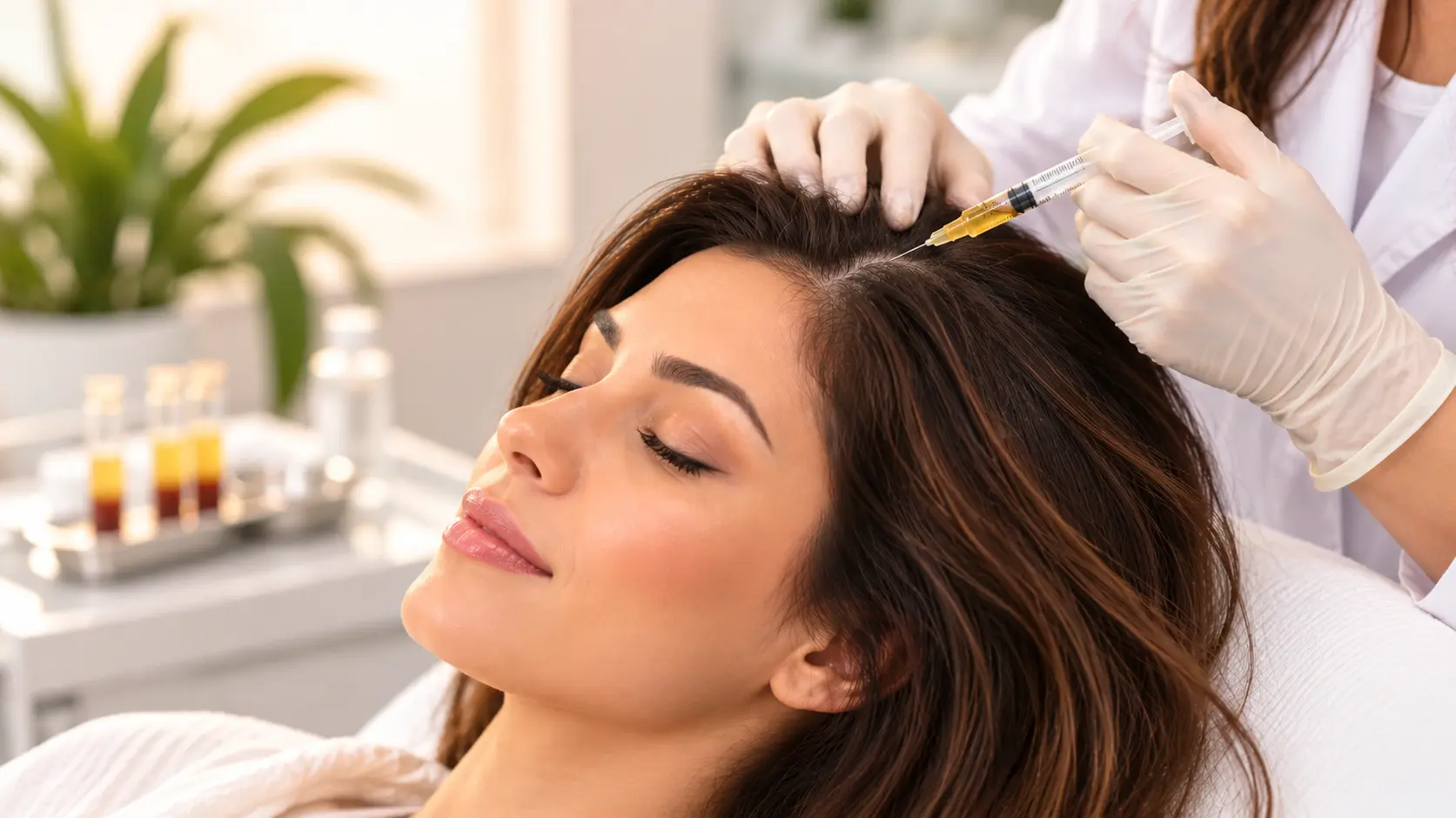
PRP therapy begins with a small blood draw, generally from your arm. The blood is processed in a centrifuge to concentrate the platelet-rich portion. This PRP is then prepared for injection into areas of the scalp affected by thinning.

Platelets contain growth factors and other signaling proteins involved in tissue repair. When PRP is injected into the scalp, the intended effect is to create an environment that supports the function of existing hair follicles.

PRP is not a hair transplant and does not create new follicles where none exist. Instead, it is generally used to support follicles that are still present but producing thinner or weaker hairs.

Does PRP Work for Thinning Hair?

So, does PRP work for thinning hair? Research suggests that it can help some people, particularly those with androgenetic alopecia, also known as pattern hair loss.

Several systematic reviews and meta-analyses have reported improvements in hair density after PRP treatment compared with control groups. However, researchers have also noted substantial differences between studies, including how PRP is prepared, how frequently treatments are performed, and how outcomes are measured.

This means PRP should not be viewed as a guaranteed solution. The potential benefit depends on factors such as the cause and stage of hair loss, follicle health, age, overall health, and the treatment approach used.

A consultation is important before treatment because hair thinning can have many possible causes. A medical provider may need to determine whether you are dealing with pattern hair loss, nutritional deficiencies, hormonal changes, scalp conditions, medication-related shedding, or another issue.

How Does PRP Hair Restoration Work?

The PRP process is relatively straightforward and does not involve surgery.

First, a small amount of your blood is collected. It is then processed to separate the platelet-rich plasma from other blood components. The concentrated PRP is subsequently injected into selected areas of the scalp using a fine needle.

The treatment is intended to support the follicles and improve the environment around them. Because the treatment uses your own blood product, PRP is considered an autologous treatment.

At Glo & Glam, you can explore PRP/PRF EZ Gel treatments and speak with the team about which regenerative treatment is appropriate for your individual goals. Hair-restoration PRP and aesthetic PRP applications may involve different treatment approaches, so your consultation should focus specifically on your hair-loss concerns.

PRP Hair Restoration Results Timeline

One of the most common questions is how quickly PRP works. Hair grows slowly, so visible changes generally do not happen immediately.

The PRP hair restoration results timeline can vary, but many treatment protocols evaluate progress over several months rather than several days or weeks. Cleveland Clinic notes that improvement may begin around three months, with continued changes over a longer period.

A general timeline may look like this:

First few weeks: The scalp may experience temporary tenderness, redness, or mild swelling after injections. There may not be a visible difference in hair density.

Around 1–3 months: Some patients may begin noticing changes in shedding or hair texture, although noticeable growth may still be limited.

Around 3–6 months: Changes in thickness or density may become easier to evaluate.

6–12 months: Continued improvement may occur depending on the individual’s response and overall hair-restoration plan.

These timeframes are estimates rather than guarantees. Your provider may use photographs or other assessments to compare changes over time.

How Many PRP Sessions for Hair?

Another frequently asked question is, how many PRP sessions for hair are usually needed?

There is no universal treatment schedule that works for everyone. Many clinical protocols use an initial series of treatments spaced several weeks apart, followed by maintenance treatments depending on the individual’s response.

For example, Cleveland Clinic describes a protocol involving monthly treatments for three months followed by less frequent maintenance treatments. Other studies have used different schedules.

Because PRP preparation methods and protocols differ significantly across studies, your provider should determine the appropriate number of sessions after evaluating your hair-loss pattern and goals.

It is also important to understand that maintenance may be recommended because PRP does not permanently stop the biological processes responsible for pattern hair loss.

PRP as a Hair Loss Treatment for Women

Hair thinning is not exclusively a men’s health concern. Women can experience noticeable thinning for several reasons, including female pattern hair loss, hormonal changes, nutritional deficiencies, stress, and other medical conditions.

For women considering a hair loss treatment for women, identifying the cause of hair loss is particularly important before beginning any regenerative treatment. PRP may be considered for appropriate candidates, but it should be part of an individualized treatment plan rather than a one-size-fits-all solution.

If you are experiencing progressive thinning, excessive shedding, or changes in your hairline or part, a professional evaluation can help determine whether PRP is appropriate and whether additional treatments or testing may be needed.

Is PRP a Non-Surgical Hair Restoration Option?

PRP is considered a minimally invasive treatment rather than a surgical hair-restoration procedure. It does not require incisions, graft placement, or a traditional hair transplant.

The treatment uses injections to deliver PRP to targeted scalp areas. Some patients experience temporary discomfort, redness, swelling, bruising, or tenderness following treatment.

The benefit of choosing a minimally invasive approach is that it can be performed without the recovery process associated with hair-transplant surgery. However, minimally invasive does not mean risk-free or appropriate for everyone.

The team at Glo & Glam emphasizes individualized treatment planning and notes that PRP and PRF hair-restoration treatments do not guarantee reduced shedding, increased density, or hair regrowth.

PRP Hair Restoration in Arlington, TX

For people researching hair restoration Arlington TX, Glo & Glam provides hair-restoration services in its Viridian/Arlington location as well as Colleyville.

The Arlington location is designed to provide personalized aesthetic and wellness services, including hair restoration therapy. You can view Glo & Glam’s locations to learn more about the Arlington and Colleyville offices.

Before deciding on treatment, a consultation can help determine whether your type of hair loss is suitable for PRP and what kind of treatment plan may be appropriate.

You can also review current Glo & Glam specials when planning your next appointment.

What Can You Expect From PRP Hair Restoration?

PRP is best approached with realistic expectations. The goal is generally to support existing follicles and improve the appearance of thinning hair, not to guarantee complete restoration.

Some people may experience noticeable improvements in density or thickness, while others may see limited results. The underlying cause of hair loss, the amount of existing follicular activity, treatment consistency, and individual response can all influence the outcome.

For a more detailed overview, explore Glo & Glam’s hair restoration treatment and schedule a consultation to discuss your options.

Frequently Asked Questions

1. Does PRP really work for hair loss?

Research suggests PRP may improve hair density in people with androgenetic alopecia, but results are not guaranteed. Studies have used different PRP preparation methods and treatment schedules, which makes direct comparison difficult. Your response may depend on the cause and stage of your hair loss.

2. How soon will I see PRP hair restoration results?

Visible results generally take several months rather than a few weeks. Some patients may begin noticing changes around three months, with further improvement developing over six to twelve months. Your provider may use progress photographs to help track changes.

3. How many PRP sessions are needed for hair restoration?

The number of sessions varies by patient and treatment protocol. Many plans begin with multiple treatments spaced several weeks apart, followed by maintenance treatments when appropriate. A consultation is needed to determine the most suitable schedule for your hair-loss pattern.

4. Is PRP a good hair loss treatment for women?

PRP may be considered for women with certain types of hair thinning, particularly pattern hair loss. However, women can develop hair loss from many different causes, so identifying the underlying cause is important before treatment. A medical evaluation can help determine whether PRP is appropriate.

5. Is PRP hair restoration permanent?

PRP is not considered a permanent cure for hair loss. Hair thinning conditions such as androgenetic alopecia can continue over time, so some patients may require ongoing treatment or maintenance. Your provider can discuss realistic expectations based on your diagnosis and response.

6. Where can I get PRP hair restoration in Arlington, TX?

Glo & Glam provides hair-restoration services at its Viridian/Arlington location and also serves patients in Colleyville. A consultation can help determine whether PRP is appropriate for your specific hair-loss concerns and goals.

IV Therapy for Energy and Immunity: Benefits, Uses & What to Expect

Feeling run down, dehydrated, or low on energy can make it difficult to keep up with work, exercise, family responsibilities, and everyday life. While healthy nutrition, quality sleep, regular exercise, and adequate hydration remain the foundation of overall wellness, some people also explore intravenous (IV) therapy as part of a personalized wellness routine.

IV therapy benefits for energy and immunity are commonly discussed because IV treatments can provide fluids and selected vitamins or nutrients directly into the bloodstream. However, the effects depend on the individual’s needs, the ingredients used, and the reason for treatment. Evidence for routine IV vitamin therapy in otherwise healthy people is still developing, so treatment should be selected with appropriate medical guidance.

At Glo & Glam, IV therapy is part of a broader approach to wellness and regenerative medicine. Understanding how IV therapy works, its potential uses, and what to expect can help you decide whether it fits your wellness goals.

What Is IV Therapy?

IV therapy uses a small catheter placed into a vein to deliver fluids and, depending on the treatment, selected vitamins, minerals, or other nutrients. Because the ingredients enter the bloodstream directly, IV administration bypasses the digestive system.

Different IV formulations may be designed around different wellness goals. Some people may seek hydration support, while others are interested in nutrients associated with energy, recovery, or general wellness.

The specific ingredients and dosage should be determined according to the treatment plan and individual circumstances rather than using the same formula for everyone.

What Does an IV Drip Do for Your Body?

One of the most common questions people ask is, what does an IV drip do for your body?

An IV drip can provide fluids directly into the bloodstream, which can help address dehydration when oral fluid intake is inadequate or when rapid rehydration is clinically appropriate. Dehydration can contribute to fatigue, headaches, dizziness, and reduced physical performance.

When vitamins or minerals are included, the goal may be to provide specific nutrients through intravenous administration. Some wellness IV formulas may include nutrients such as B vitamins, vitamin C, magnesium, or other ingredients depending on the provider’s protocol.

It is important to understand that IV therapy is not a replacement for a nutritious diet or treatment for every cause of fatigue. Persistent tiredness may have an underlying cause that requires an evaluation by a healthcare professional.

IV Therapy Benefits for Energy and Immunity

The potential IV therapy benefits for energy and immunity are among the main reasons people explore these treatments.

Energy Support

Dehydration can contribute to feelings of tiredness and reduced physical performance. Rehydration may therefore help someone who is experiencing fatigue associated with fluid loss.

Certain vitamins, including B vitamins, are also involved in normal energy metabolism. However, receiving more vitamins than the body needs does not necessarily produce a greater energy boost. The benefit of supplementation depends on factors such as nutritional status and individual health needs.

For people experiencing ongoing fatigue, IV therapy should not be used as a way to mask symptoms without investigating possible underlying causes.

Immune Wellness

Vitamins and minerals play important roles in normal immune function. This is one reason IV wellness treatments are sometimes marketed for immunity support.

However, it is important to separate immune support from claims about preventing or curing illness. Current evidence does not establish routine IV vitamin therapy as a universal way to prevent infections or strengthen immunity in healthy people. Cleveland Clinic notes that evidence for many wellness-related IV vitamin claims remains limited and continues to be studied.

A balanced diet, adequate sleep, regular exercise, stress management, and appropriate medical care remain important parts of maintaining immune health.

Vitamin IV Drip Benefits: What Can You Expect?

People often search for vitamin IV drip benefits when considering IV therapy for wellness or recovery.

Depending on the formula and individual needs, potential benefits may include:

  • Supporting hydration when fluid replacement is appropriate
  • Providing selected vitamins and minerals intravenously
  • Supporting normal nutrient availability
  • Helping address symptoms associated with dehydration
  • Providing a convenient wellness treatment for people with specific goals

The actual experience can vary significantly from one person to another. Some people may notice a feeling of improved hydration or energy afterward, while others may notice little immediate difference.

Because IV treatment places substances directly into the bloodstream, more is not automatically better. Certain vitamins can cause toxicity when taken in excessive amounts, and IV fluids can present risks for some individuals.

IV Therapy for Hangover Relief

Another commonly requested treatment is IV therapy for hangover symptoms.

Alcohol consumption can contribute to fluid loss and may leave people experiencing symptoms such as headache, fatigue, nausea, and general discomfort. IV fluids may help address dehydration, but IV therapy does not eliminate alcohol’s effects or serve as a guaranteed cure for a hangover.

A hangover treatment may focus on hydration and, depending on the provider and clinical assessment, selected nutrients or medications. Anyone experiencing severe or unusual symptoms should seek appropriate medical attention rather than relying on a wellness IV.

What to Expect During an IV Therapy Session

For people considering IV hydration therapy, knowing what happens during a typical appointment can make the process easier.

You will generally begin with a consultation or screening to discuss your wellness goals, medical history, medications, allergies, and other relevant information. A qualified healthcare professional then selects an appropriate treatment plan.

The IV catheter is placed into a vein, commonly in the arm, and the selected fluid or nutrient solution is administered over the course of the appointment. The treatment area should be monitored throughout the session.

Afterward, many people can return to normal activities, depending on the treatment and individual circumstances.

You can explore Glo & Glam’s IV therapy services to learn more about available wellness options.

How Often Should You Get IV Therapy?

A common question is how often should you get IV therapy? There is no single schedule that is appropriate for everyone.

The frequency depends on the reason for treatment, the ingredients being administered, overall health, hydration status, and recommendations from a qualified healthcare provider. Routine IV therapy should not be based solely on the idea that more frequent treatments automatically provide greater benefits.

People with conditions involving the heart, kidneys, fluid balance, or other health considerations may need additional caution with IV fluids. Excess fluid or inappropriate nutrient dosing can cause complications.

A personalized plan is therefore more appropriate than following a fixed schedule advertised for everyone.

IV Hydration Therapy in Arlington, TX

For individuals searching for IV hydration therapy Arlington TX, choosing a provider that prioritizes appropriate screening, qualified administration, and individualized treatment is important.

IV therapy should be viewed as one component of a broader wellness strategy rather than a substitute for medical treatment, nutrition, sleep, or healthy lifestyle habits.

To explore available services and locations, visit the Glo & Glam locations page. You can also browse the full range of medspa services to see how IV therapy fits within a broader wellness experience.

Is IV Therapy Right for You?

IV therapy may be considered by adults looking for hydration support or a personalized wellness treatment, but suitability varies from person to person.

Before receiving an IV, discuss relevant medical conditions, medications, supplements, allergies, pregnancy status, and previous reactions to IV treatments with your healthcare provider. IV therapy can involve risks such as bruising, discomfort, infection at the catheter site, fluid overload, and other complications, although serious complications are uncommon when treatment is appropriately administered.

The goal should be safe, individualized care rather than simply choosing the most ingredients or the most frequent treatments.

Explore IV Therapy at Glo & Glam

Whether your goal is hydration support, wellness maintenance, or learning more about nutrient-based IV treatments, understanding the treatment before booking is an important first step.

Visit the Glo & Glam wellness and regenerative medicine services to learn more about IV therapy options. You can also see current specials and read patient reviews for additional information about the Glo & Glam experience.

Frequently Asked Questions

1. What are the main IV therapy benefits for energy and immunity?

IV therapy may provide hydration and selected nutrients directly into the bloodstream. Hydration can help when dehydration contributes to fatigue, while certain vitamins and minerals play roles in normal energy metabolism and immune function. However, evidence for routine IV vitamin therapy as a general energy or immunity booster remains limited, so individual results can vary.

2. What does an IV drip do for your body?

An IV drip delivers fluids directly into a vein and may also contain selected vitamins, minerals, or other nutrients. IV fluids can help prevent or treat dehydration and electrolyte imbalances when clinically appropriate. The exact effect depends on the ingredients used and the individual’s health needs.

3. Can IV therapy help with a hangover?

IV therapy for hangover symptoms may help address dehydration and may provide temporary symptom support. However, it does not reverse alcohol’s effects or guarantee a hangover cure. Severe symptoms or symptoms that seem unusual should be medically evaluated rather than treated solely with a wellness IV.

4. What are the vitamin IV drip benefits?

Potential benefits depend on the nutrients included and the person’s individual needs. Some IV formulas are designed to provide hydration and nutrients such as certain vitamins and minerals. IV treatment should be personalized because excessive doses of some nutrients can cause adverse effects or toxicity.

5. How often should you get IV therapy?

There is no universal schedule for IV therapy. Frequency should be based on your treatment goals, health status, nutritional needs, and guidance from a qualified provider. More frequent treatment is not automatically better, particularly for people who may be sensitive to fluid or nutrient changes.

6. Is IV hydration therapy safe?

IV hydration is a common medical procedure, but it is not completely risk-free. Possible complications include discomfort or bruising at the insertion site, infection, fluid overload, and other reactions. Proper screening and administration by qualified healthcare professionals can help reduce these risks.

7. How long does an IV therapy session take?

Treatment time varies depending on the IV formula, fluid volume, and the provider’s protocol. Your provider can explain the expected session length before treatment begins and monitor you while the IV is administered.

How to Repair Sun-Damaged Skin and Restore a Healthy Glow

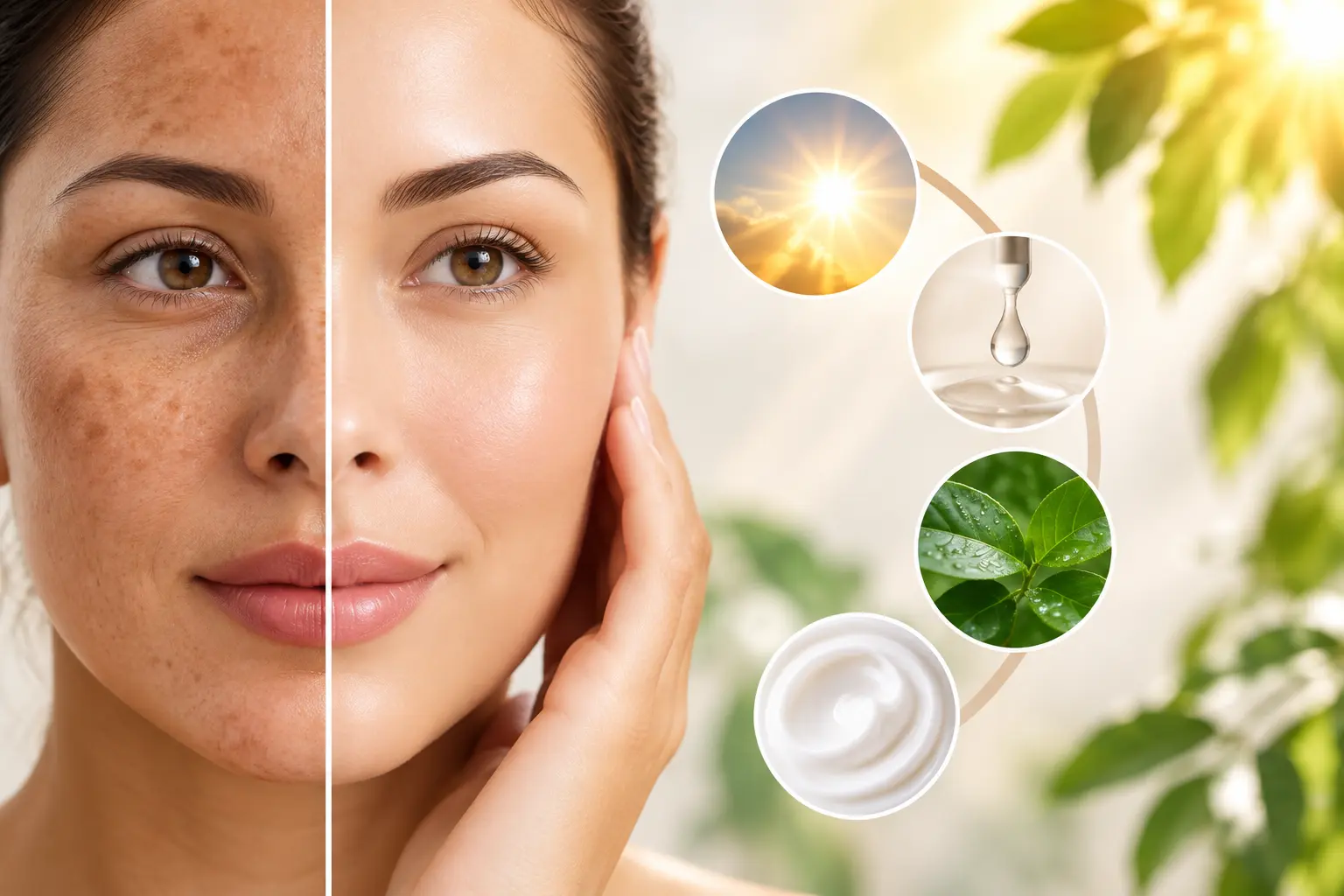
Years of sun exposure add up, even when it doesn’t feel that way at the time. Dark spots, rough texture, fine lines, and a dull or uneven skin tone are common signs that skin has absorbed more UV damage than it can repair on its own. For anyone wondering how to repair sun damaged skin, the answer depends on how much damage has built up and whether it’s being addressed at the surface level or deeper in the skin.

This guide covers what sun damage actually is, what it looks like, which parts of it can realistically be improved, and the range of treatments, from daily skincare habits to in-office procedures, that can help restore a more even, healthy-looking complexion.

At Glo & Glam MedSpa & Skin Care, treatment plans for sun-damaged skin are built around each patient’s skin type, goals, and degree of damage rather than a one-size-fits-all approach.

What Is Sun-Damaged Skin (Photoaging)?

Sun-damaged skin, medically referred to as photoaging, is the premature aging of skin caused by repeated exposure to ultraviolet A (UVA) and ultraviolet B (UVB) radiation. Cleveland Clinic explains that photodamage can come from natural sun exposure or artificial UV sources like tanning beds, and that this exposure ages skin faster than it would naturally age while also increasing skin cancer risk.

Because this damage accumulates gradually, its effects are often not fully visible until years after the exposure occurred, which is part of why sun damage tends to catch people off guard.

What Does Sun-Damaged Skin Look Like?

Sun damage can show up in a number of ways, and most people experience a combination of the following:

● Sunspots or age spots on the face, chest, and hands
● Rough or leathery skin texture
● Fine lines and premature wrinkles
● Uneven skin tone or blotchiness
● Broken capillaries or persistent redness
● Loss of firmness or elasticity

Identifying which of these you’re dealing with is the first step toward choosing the right treatment approach.

Can Sun Damage Be Reversed?

This is one of the most common questions people have, and the honest answer is: partially. Sun damage at the cellular level isn’t something that can be completely undone, but many of its visible effects, including sunspots, rough texture, and fine lines, can be meaningfully improved.

According to Cleveland Clinic, treatment options for repairing sun-damaged skin include retinoids, lightening agents, chemical peels, laser skin resurfacing, dermabrasion, and fillers. The right combination depends on the type and depth of damage present, which is best assessed during a professional consultation.

At-Home Care for Sun-Damaged Skin

A consistent at-home routine is the foundation of any sun damage repair plan and can meaningfully slow further damage while supporting the results of in-office treatments:

● Daily broad-spectrum SPF, applied year-round and not just during outdoor activities
● Vitamin C serum, an antioxidant that can help fade discoloration and protect against future UV exposure
● Retinoids, which support cell turnover and can gradually improve texture and pigmentation
● Consistent hydration to support the skin barrier while it repairs

At-home products can improve the outermost layers of skin over time, but they generally can’t reach the deeper structural damage that more advanced sun exposure causes. For that level of correction, in-office treatment is typically needed. Medical-grade skincare lines like ZO Skin Health and SkinCeuticals are formulated for this purpose and are often built into a treatment plan alongside in-office procedures.

In-Office Treatments to Repair Sun-Damaged Skin

Professional treatments can address sun damage more directly than at-home products alone, often with visible results in a shorter timeframe.

Chemical peels remove damaged outer layers of skin, which encourages fresher, more even-toned skin to surface. Peels can be customized from a light treatment to a deeper one, depending on the degree of sun damage present.

IPL (Intense Pulsed Light) targets pigment in the skin directly, making it particularly effective for sunspots, freckling, and redness caused by broken capillaries.

Laser resurfacing addresses texture, fine lines, and deeper pigmentation at the same time, and is often recommended for patients dealing with more than surface-level discoloration.

A provider can help determine which treatment, or combination of treatments, fits your skin and goals. Learn more about the full range of options on the Lasers & Energy services page.

How Much Does Sun Damage Treatment Cost?

The cost of treating sun-damaged skin varies based on the treatment type, the size and number of areas being addressed, and how many sessions are needed to reach your goals. A single chemical peel, for example, is typically priced differently than a series of laser resurfacing sessions.

Because pricing depends on an individualized treatment plan, it’s best to request pricing after a consultation rather than relying on a general estimate. Patients interested in ongoing treatment may also want to review Glo & Glam memberships or current specials for potential savings.

Sun Damage Repair in Arlington & Colleyville: What Should You Look For?

Anyone searching for sun damage treatment in Arlington, TX should look for a provider that evaluates skin individually rather than applying the same treatment to every patient. A thorough consultation should take into account skin tone, the depth and type of sun damage, treatment goals, and any relevant medical history.

Glo & Glam has locations in Viridian/Arlington and Colleyville, both offering complimentary consultations to help determine the right treatment path.

How to Prepare for Your Consultation

Getting the most out of a consultation means going in with the right questions. Consider asking your provider:

1. Which treatment, or combination of treatments, is recommended for my skin?

2. How many sessions will I likely need to see results?

3. What should I expect during recovery, if any?

4. How should I adjust my at-home routine to support treatment?

5. What results are realistic for my level of sun damage?

6. What is the cost for individual sessions versus a treatment package?

A knowledgeable provider should be able to walk you through the reasoning behind your recommended treatment plan.

Final Thoughts

Sun damage builds up gradually, but repairing it doesn’t have to be complicated. A combination of daily sun protection, the right at-home products, and professional treatments like chemical peels, IPL, or laser resurfacing can meaningfully improve the appearance of sun-damaged skin.

If you’re ready to talk through your options, schedule a complimentary consultation at Glo & Glam’s Arlington or Colleyville location, or read patient reviews to see what others have experienced.

Frequently Asked Questions

Can sun damaged skin be repaired?

Many visible signs of sun damage, including sunspots, rough texture, and fine lines, can be meaningfully improved through a combination of at-home skincare and in-office treatments such as chemical peels, IPL, and laser resurfacing. Damage at the cellular level can’t be fully undone, but treatment can significantly improve the skin’s appearance.

How long does it take to repair sun damaged skin?

Timelines vary depending on the treatment and the extent of damage. At-home routines typically take several weeks to months to show gradual improvement, while in-office treatments like chemical peels or IPL can show visible results within days to a few weeks, often requiring a series of sessions for best results.

What is the best treatment for sun damaged skin?

There isn’t a single best treatment for everyone. Chemical peels, IPL, and laser resurfacing each address different types of damage, and a provider can recommend the right option, or combination, based on your specific skin concerns.

Can you reverse sun damage naturally?

At-home habits like daily SPF, vitamin C serums, and retinoids can improve mild sun damage over time, but they generally can’t address deeper structural changes. More significant damage typically requires professional treatment for meaningful improvement.

Does sunscreen help repair existing sun damage?

Sunscreen doesn’t repair existing damage, but it’s essential for preventing further damage while other treatments and products do the work of improving your skin’s current condition.

Where can I get sun damage treatment in Arlington, TX?

Glo & Glam MedSpa & Skin Care has a Viridian/Arlington location at 4080 North Collins Street, Suite 100, Arlington, TX 76005, as well as a Colleyville location, and offers a range of treatments for sun-damaged skin.

Laser Hair Removal Guide: Everything You Need to Know Before Treatment

Unwanted body hair can be frustrating to manage with shaving, waxing, tweezing, or depilatory creams. These methods can require frequent maintenance and may sometimes lead to razor burn, ingrown hairs, or skin irritation. Laser hair removal offers a longer-term approach by using concentrated light energy to target hair follicles and reduce future hair growth.

For anyone considering treatment, understanding how laser hair removal works, how many sessions you may need, how to prepare, what recovery involves, and what results to expect can make the process much easier. This laser hair removal guide covers the key information you should know before scheduling treatment.

At Glo & Glam MedSpa & Skin Care, laser services are part of a broader range of aesthetic treatments designed around individualized treatment plans. You can explore Glo & Glam to learn more about the practice and its approach to aesthetic care.

What Is Laser Hair Removal?

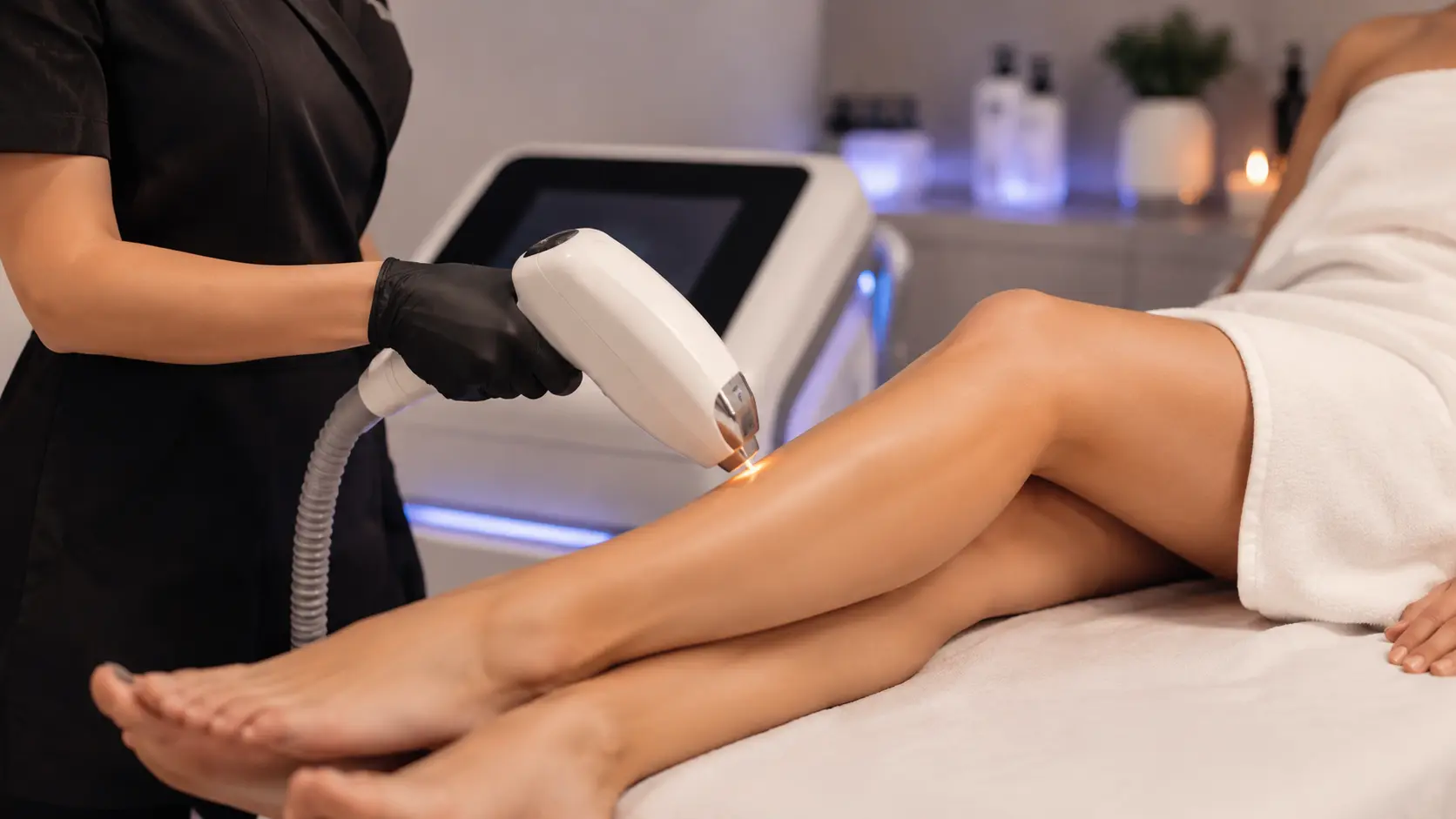
Laser hair removal is a cosmetic treatment that uses laser energy to target the pigment within hair follicles. The energy is absorbed by the follicle and converted into heat, which can impair the follicle’s ability to produce hair.

Because hair grows in different stages, a single treatment cannot effectively target every follicle at once. This is why laser hair removal is generally performed as a series of treatments spaced several weeks apart. Cleveland Clinic notes that many patients require multiple treatments, often in the range of four to six or more depending on individual factors.

Laser technology can be used on a variety of areas, including the face, underarms, bikini area, legs, arms, chest, back, and other body regions. The appropriate laser and settings depend on factors such as hair color, hair thickness, skin tone, treatment area, and individual response.

You can also learn more about Glo & Glam’s laser treatments before deciding which service may be appropriate for you.

How Does Laser Hair Removal Work?

During treatment, a laser device delivers controlled pulses of light energy to the treatment area. The pigment in the hair absorbs the energy, allowing heat to reach the follicle.

The goal is not to remove every visible hair instantly. Instead, the treatment progressively reduces active hair growth over a series of appointments. Hair that has been treated may shed gradually following the procedure, while follicles in later growth stages are addressed during subsequent sessions.

A consultation is important because laser treatment settings should be selected according to the individual’s skin and hair characteristics. Using an inappropriate wavelength or energy level can increase the risk of unwanted skin reactions, particularly pigment changes.

For treatment-specific information, visit the Glo & Glam laser hair removal service page.

How Many Laser Hair Removal Sessions Are Needed?

One of the most common questions people ask is, “how many laser hair removal sessions needed?” There is no single number that applies to everyone.

Many patients need a series of treatments rather than a single appointment. A common treatment plan involves approximately four to eight sessions, although the exact number can vary based on the treatment area, hair density, hair color, skin tone, hormonal factors, and how the individual responds to treatment.

Appointments are generally spaced several weeks apart so that different hair-growth cycles can be addressed. Facial hair may behave differently from body hair, and areas influenced by hormonal changes may require additional maintenance.

Your provider should evaluate your skin and hair during a consultation rather than promising a fixed number of treatments before seeing you.

Is Laser Hair Removal Permanent?

A common question is, “is laser hair removal permanent?”

Laser hair removal is better understood as long-term hair reduction rather than a guarantee that every treated hair will be permanently eliminated. Many patients experience a substantial and lasting decrease in hair growth after completing a treatment series, but some hair can eventually regrow.

Any regrowth is often finer or lighter than the original hair. Maintenance treatments may also be recommended over time, particularly for areas affected by hormonal changes. Cleveland Clinic notes that some patients may benefit from maintenance treatments approximately every six to twelve months.

This distinction is important when setting realistic expectations. The objective is usually significant reduction in unwanted hair and less frequent shaving or waxing, rather than an absolute guarantee of zero hair forever.

Laser Hair Removal Before and After Care

Following appropriate laser hair removal before and after care instructions can help support both treatment effectiveness and skin comfort.

Before Your Treatment

Preparation may include:

  • Avoiding tanning beds and minimizing sun exposure before treatment.
  • Avoiding waxing, tweezing, and plucking because these methods remove the hair from the follicle that the laser needs to target.
  • Shaving the treatment area as instructed by your provider.
  • Arriving with clean skin and avoiding products that may irritate the area.
  • Informing your provider about medications, skin conditions, recent tanning, or other factors that could affect treatment.

Cleveland Clinic recommends avoiding tanning and certain hair-removal methods before treatment and advises shaving the area as directed by the provider.

Your provider may give you additional instructions based on your skin type and the area being treated.

After Your Treatment

It is common to experience temporary redness, swelling, or a mild stinging sensation following laser hair removal. These effects generally settle with time.

After treatment:

  • Keep the area clean and treat the skin gently.
  • Avoid vigorous scrubbing or picking at irritated areas.
  • Minimize sun exposure while the skin is recovering.
  • Use broad-spectrum sunscreen when the treated area is exposed to sunlight.
  • Follow any product or activity restrictions provided by your treatment professional.

Sun protection is particularly important because treated skin may be more susceptible to pigment changes after laser treatment.

What Areas Can Be Treated?

Laser hair removal can be performed on many areas of the body. Common treatment areas include:

  • Upper lip and chin
  • Face and neck
  • Underarms
  • Bikini area
  • Arms
  • Legs
  • Chest and abdomen
  • Back

The treatment plan may differ depending on the body area. Facial hair, for example, can be more hormonally influenced, while larger areas such as the legs or back require more time and laser pulses.

Glo & Glam provides laser-focused aesthetic services for clients in the Arlington and Colleyville areas. Visit the laser hair removal service page to review the treatment offering.

How Much Does Laser Hair Removal Cost Per Session?

The laser hair removal cost per session can vary considerably. There is no universal price because treatment costs are influenced by the size of the area, the number of areas being treated, the technology used, the provider, and whether the patient purchases a package.

For example, smaller treatment areas generally cost less than large areas such as full legs or full back. Packages containing multiple treatments may also offer different pricing than individual appointments.

Current Arlington-area pricing examples show that costs can range from lower-priced treatments for small areas to several hundred dollars for larger treatment areas, demonstrating why patients should request individualized pricing rather than relying on a single advertised figure.

When comparing providers, consider more than the price alone. Treatment technology, provider experience, skin-type considerations, consultation quality, aftercare, and the overall treatment plan can all affect your experience and results.

You can also review Glo & Glam memberships to see whether membership options may fit your ongoing aesthetic care needs.

Laser Hair Removal in Arlington, TX: What Should You Look For?

People searching for laser hair removal Arlington TX should look for a provider that takes a personalized approach rather than offering a one-size-fits-all treatment.

A good consultation should address your skin tone, hair color, hair density, treatment goals, medical history, previous tanning or sun exposure, and any medications or skin conditions that may influence treatment.

The provider should also explain realistic results and possible side effects. Temporary irritation and pigment changes can occur, while more serious complications such as blistering or scarring are less common but possible.

Glo & Glam has an Arlington location in Viridian, as well as a Colleyville location. You can view all Glo & Glam locations to find the office that works best for you.

How to Prepare for Your First Consultation

Your consultation is an important part of the laser hair removal process. Rather than focusing only on appointment availability or cost, use the consultation to determine whether the treatment is appropriate for you.

Consider asking:

  1. Which laser technology is recommended for my skin tone and hair type?
  2. How many sessions are likely to be needed?
  3. How far apart should appointments be scheduled?
  4. What should I avoid before and after each treatment?
  5. What results should I realistically expect?
  6. Will maintenance treatments be necessary?
  7. What is the price for individual sessions and treatment packages?

A knowledgeable provider should be able to explain the reasoning behind your treatment plan clearly.

Why Professional Laser Hair Removal Can Be Worth Considering

For people who spend significant time shaving or scheduling waxing appointments, reducing unwanted hair growth can simplify their regular grooming routine.

Laser hair removal may also appeal to individuals who experience frequent razor irritation or ingrown hairs associated with shaving and waxing. However, results and candidacy vary, so an individualized assessment remains important.

The overall goal should be a treatment plan that balances effectiveness, safety, expectations, and long-term maintenance.

Final Thoughts

Laser hair removal can provide a convenient approach to long-term hair reduction, but understanding the treatment process is essential before getting started. Most people need multiple sessions because hair follicles grow at different stages, and maintenance treatments may be needed to preserve results over time.

Proper preparation and aftercare are equally important. Protecting your skin from excessive sun exposure, avoiding waxing or plucking before treatment, following shaving instructions, and using gentle skincare afterward can help support a safer treatment experience.

If you are considering laser hair removal in Arlington, TX, start with a professional consultation and ask for a treatment plan based on your individual skin, hair, and goals. You can also view current Glo & Glam specials or read patient reviews before scheduling.

Frequently Asked Questions

How many laser hair removal sessions are usually needed?

Many people need multiple treatments, commonly around four to eight sessions, because laser energy is most effective when hair follicles are in an appropriate growth stage. The exact number varies based on the treatment area, hair characteristics, skin tone, hormonal factors, and individual response. Your provider can estimate your treatment needs during a consultation.

Is laser hair removal permanent?

Laser hair removal is generally considered long-term hair reduction rather than a guarantee of permanent removal of every hair. After a treatment series, many people experience significantly less hair growth, and remaining hair may be finer or lighter. Some patients require periodic maintenance treatments to maintain their results.

Does laser hair removal hurt?

The sensation varies from person to person and depends on the treatment area and laser technology. Many patients describe the pulses as a snapping or stinging sensation. Temporary redness, swelling, or mild discomfort can occur afterward, but these effects generally improve as the skin recovers.

What should I avoid before laser hair removal?

Avoid tanning and excessive sun exposure before treatment, and do not wax, tweeze, or pluck the hair in the treatment area because the follicle needs to remain present for the laser to target it. Shaving is commonly recommended according to your provider’s specific instructions.

How much does laser hair removal cost per session?

The cost varies according to the size and location of the treatment area, provider, technology, and whether you choose individual treatments or a package. Smaller areas generally cost less than larger areas. The best way to determine your laser hair removal cost per session is to request pricing after your treatment area and goals have been evaluated.

Can laser hair removal be performed on all skin tones?

Laser hair removal can be performed on a range of skin types, but the choice of technology and treatment settings is important. Skin tone, hair pigment, and laser type all influence safety and effectiveness. A qualified professional should assess your skin and hair before treatment and customize the settings accordingly.

How often are laser hair removal treatments scheduled?

Treatments are generally spaced several weeks apart rather than performed back-to-back. The exact schedule depends on the body area, hair-growth cycle, and your provider’s treatment plan. Following the recommended interval allows additional follicles to be treated during later stages of the hair-growth cycle.

When can I shave after laser hair removal?

Shaving is generally compatible with a laser hair removal treatment plan, unlike waxing or plucking, but your provider may recommend waiting until temporary redness or irritation has settled. Follow the aftercare instructions provided for your specific treatment area and skin response.

Where can I get laser hair removal in Arlington, TX?

Glo & Glam MedSpa & Skin Care has a Viridian/Arlington location at 4080 North Collins Street, Suite 100, Arlington, TX 76005. The practice also has a Colleyville location and provides laser and other aesthetic services.